How Much Do Electricians Charge per Hour in Moore, OK?
Quick answer
At Dedicated Electrical Services in Moore, a service call is $225 and covers the first hour on site. Every hour after that is $175, and materials are billed at about cost plus 30%. Bigger jobs like panel upgrades get a bid for the whole job instead of an hourly rate.
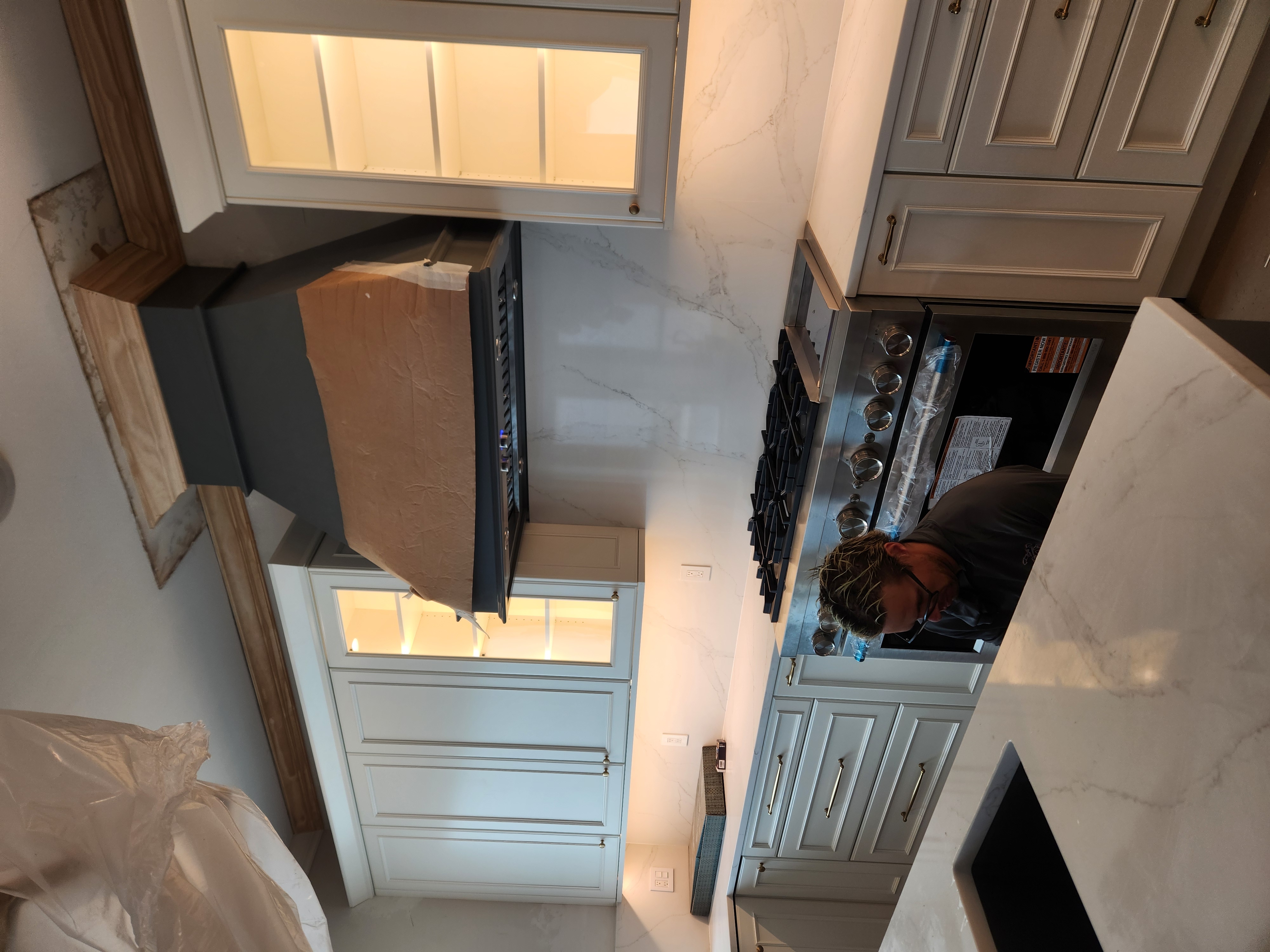
People flinch when I tell them it costs $225 for me to show up at their house. I get it. That's a lot of money to pay somebody before they've touched anything. But I'd rather give you the real number up front than play games with it, so here's exactly how I charge and why.
I've been an electrician for about 25 years, most of it commercial and industrial work out of IBEW Local 1141. I started my own shop because I got tired of hearing friends and family tell me how badly electricians had treated them. Too much of that was about money: bills that didn't match the work, and work that didn't fix the problem. So pricing is something I think about a lot.
What I charge per hour
| Item | Price |
|---|---|
| Service call, includes the first hour on site | $225 |
| Each additional hour | $175 |
| Materials | About cost plus 30% |
| Jobs well outside the metro | Drive time one way, at the hourly rate |
Here's how that adds up on a typical service visit, labor only, before any parts:
| Time on the job | Labor cost |
|---|---|
| Up to 1 hour | $225 |
| 1 to 2 hours | $225 to $400 |
| 2 to 3 hours | $400 to $575 |
A lot of what I do around Moore fits in that first hour: a light fixture that stopped working, a dead outlet, a ceiling fan swap. The bigger stuff gets a bid, which I'll get to below.
What electricians charge per hour in Oklahoma
If you've searched this already, you've probably seen numbers all over the place. Homeyou's cost page for Oklahoma City lists skilled electricians at roughly $35 to $100 an hour. Salary sites like Indeed put the average electrician wage in Oklahoma around $33 an hour.
That wage number is what an employee takes home. A contractor bills more than that, and the difference isn't all profit. My rate has to cover a state license, $1 million in liability coverage with a $2 million umbrella, a truck full of parts, the drive to your house, and the time I spend figuring out what's wrong. An hourly rate that looks too good usually means one of those things got skipped.
Why the $150 service call can cost you more
Here's what I see happen. Somebody says they'll do the service call for $150. They come out, pull all the devices out of the wall, can't figure out the problem, don't put everything back the way it's supposed to be, and leave. Now I have to come fix what they did and then find the actual problem. The customer has already spent money on the first visit and gets nothing for it.
Electrical problems don't jump out and say, here I am. Sometimes it takes me three hours to track one down. Sometimes it takes ten minutes, like the customer whose bathroom lights were flickering. I came by, figured out it was how his wife's new hair dryer ran, and told him nothing was wrong with his wiring.
"Reassured me that it was not a problem, but instead an issue with how my wife's new hair dryer operated. No charge."
Google review, 5 stars
I'm not going to charge you for a problem you don't have. And another customer who had just moved to OKC told me the other company she called quoted her double what I did, after a Taskrabbit never showed up at all.
What drives the price
- Diagnosis time. Finding the problem is often the longest part. A clear fault is quick; an intermittent one takes digging.
- Distance. I cover Moore, Norman, Oklahoma City, and Cleveland County. I'll go 50 to 70 miles for a bigger job, but you won't want me driving to Anadarko to change a ceiling fan, because the drive time lands on your bill.
- Materials. Parts are billed at about cost plus 30%. I install Siemens gear first and Square D second, and I won't put in brands I've seen fail.
- Whether it needs a license. Swapping a device is something a homeowner can do. Adding wire or opening the panel is licensed work, and it takes longer to do right.
- Doing it to code. An EV charger is a good example. The car pulls power for six or eight hours, so the circuit has to be sized at 125%. A cheap install uses a dryer plug, the plug heats up, and the car quits charging. About a third of the time those customers end up calling me anyway.
What your first hour covers
- Me showing up. No commissioned tech and no subcontractor. It's me and my nephew, and one of us is the person you talked to on the phone.
- Diagnosing the problem and explaining what's going on, in plain terms.
- Small repairs that fit in the hour, like a receptacle, switch, or fixture.
- Putting everything back the way it belongs and cleaning up after myself.
- A lifetime craftsmanship warranty on my work. If I wired something wrong, I come back and fix it on my dime. Parts that fail after a year, like a GFCI or a breaker, fall under the manufacturer.
You can see the rest of what I work on on my services page, and what customers have said about it on the reviews page.
When I bid the job instead of charging by the hour
Hourly works for service calls. For bigger projects I bid the whole job so you know the number before I start. These are the ranges I give people, and what I've seen other outfits quote for the same work:
| Job | My range | What I've seen others quote |
|---|---|---|
| 200-amp panel upgrade | $3,000 to $6,000 | Around $10,000 |
| Standby generator, including the gas run | $13,000 to $15,000 | $27,000 to $28,000 |
The panel range moves mostly on whether your service comes in overhead or underground. An aerial 200-amp service runs me about $1,800 in materials, from the weather head to the new panel and breakers. I used to sell that for $3,500. I raised it to $5,000, and I'm still about half of what most places charge. Underground can actually come in cheaper, since I'm not running all the extra wire up the mast and down the wall.
Questions people ask me about electrician rates
What is a fair hourly rate for an electrician?
A fair rate pays for a licensed electrician, real insurance, a stocked truck, and the time it takes to find the problem. Mine is $225 for the first hour, which includes the trip, and $175 an hour after that. The number that matters more is what the whole job costs, because a low rate that does not fix the problem is the most expensive one you can pay.
What do electricians normally charge per hour?
It depends on who is billing and how. Homeyou's Oklahoma City cost page lists skilled electricians at roughly $35 to $100 an hour, and many contractors add a separate trip charge or a higher first hour on top. Ask every electrician the same two questions: what does the first hour cost, and what is included in it.
Do electricians make good money in Oklahoma?
Indeed puts the average electrician wage in Oklahoma at about $33 an hour, based on job postings. That is an employee's pay. A contractor bills more because the rate also covers licensing, insurance, trucks, and drive time. The trade is also short on people. By my count, for every 30 electricians retiring there are about 7 coming in.
Can a handyman do electrical work in Oklahoma?
As a homeowner you can legally change a device yourself, like swapping an outlet or a switch. Anytime wire gets added or someone opens the electrical panel, Oklahoma requires a licensed electrician. If a handyman offers to do that kind of work, ask for their Construction Industry Board license number before they start.
Is a handyman cheaper than an electrician?
On the first invoice, often yes. The trouble starts when a cheap visit does not find the problem, the devices get pulled out and not put back the way they should be, and a licensed electrician has to come undo it. At that point you have paid twice for one repair.
How do I find a good licensed electrician?
Ask for the Oklahoma license number and check it with the Construction Industry Board. Mine is #052041. Get bids that describe the same work so you are comparing apples to apples, and pay attention to who answers the phone and who shows up when they said they would.
What is the difference between a certified electrician and a licensed electrician?
A license is what Oklahoma requires to do electrical work at all, and it comes from the Construction Industry Board. A certification is extra training in one specific area. I am EVTPI certified for EV charger installs, which covers things like sizing a circuit at 125% for a constant load, a rule plenty of installers skip.
Call me before you call the cheap guy
If something in your house isn't working and you're in Moore, Norman, or anywhere around Oklahoma City, give me a call. I'll tell you what the first hour costs before I get in the truck, and I'll explain what I find in plain English. Your problem is our problem.